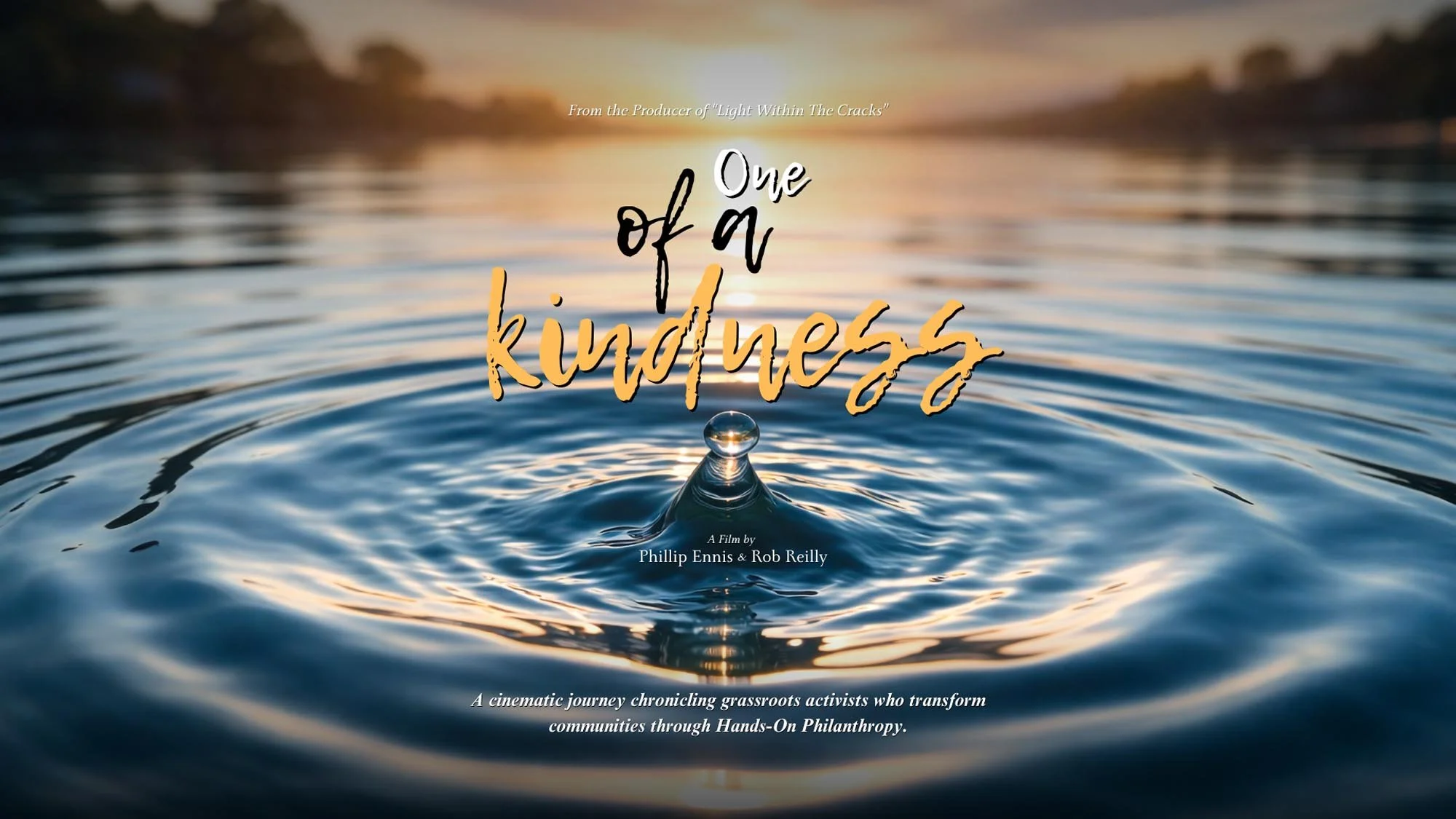
One of a Kind-ness is a series of documentary stories that reveal the transformative power of hands-on philanthropy. By telling intimate stories of people who invest their time, talent, and resources directly into underserved communities, the film shows how meaningful change happens through relationships—not just transactions. From education and the arts to innovative programs in unexpected places, the project highlights models of generosity that are working, growing, and enriching lives on every side.
Support for this film helps bring these stories to a wider audience, inspiring a new understanding of what effective, human-centered philanthropy can look like.
Part 1: Ken Kaplan
“Through chess, Kenneth Kaplan shows that one thoughtful move can start a chain of kindness that reaches far beyond the board.”
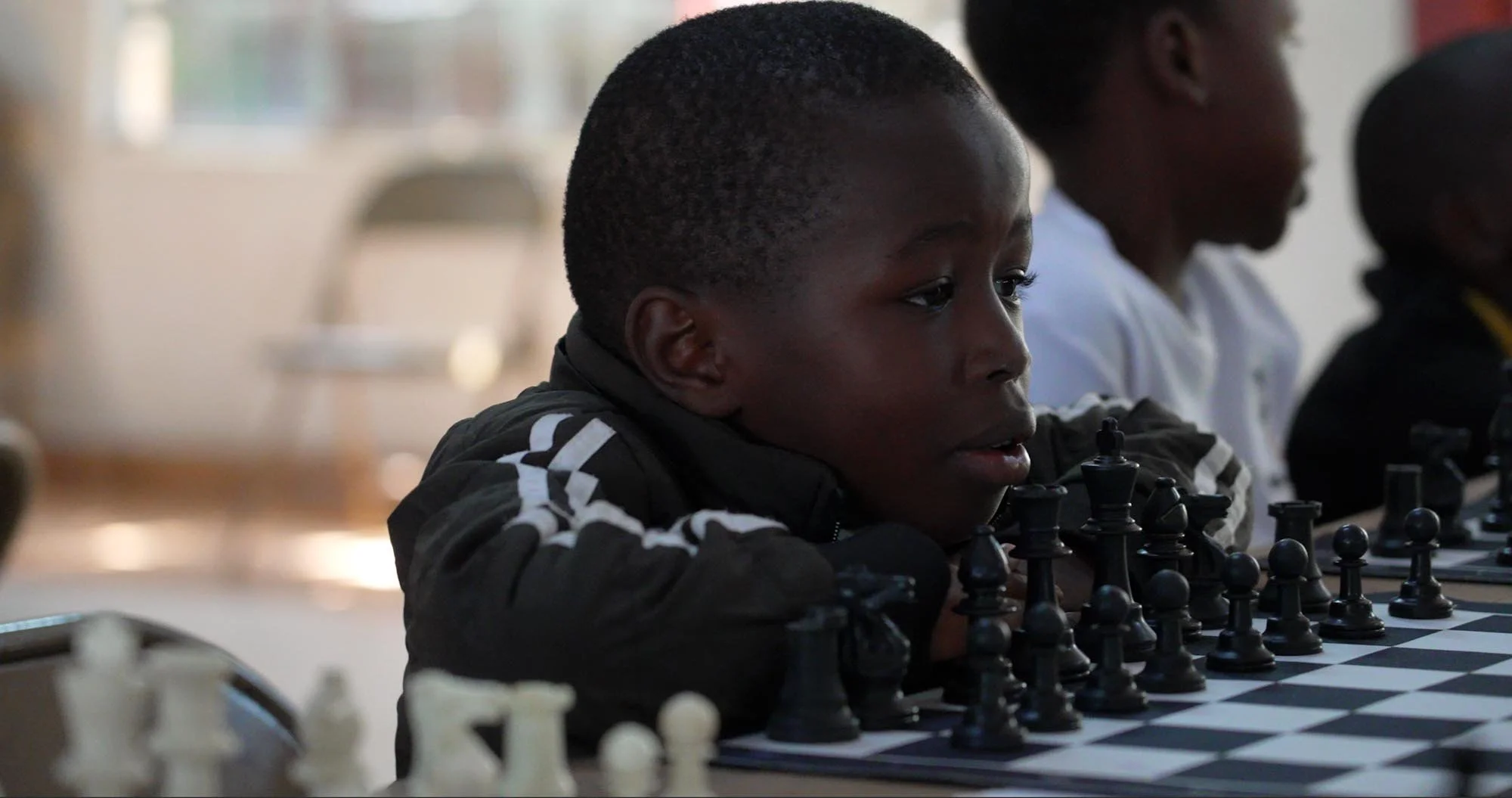
Kibera Knights Chess Club in Kenya
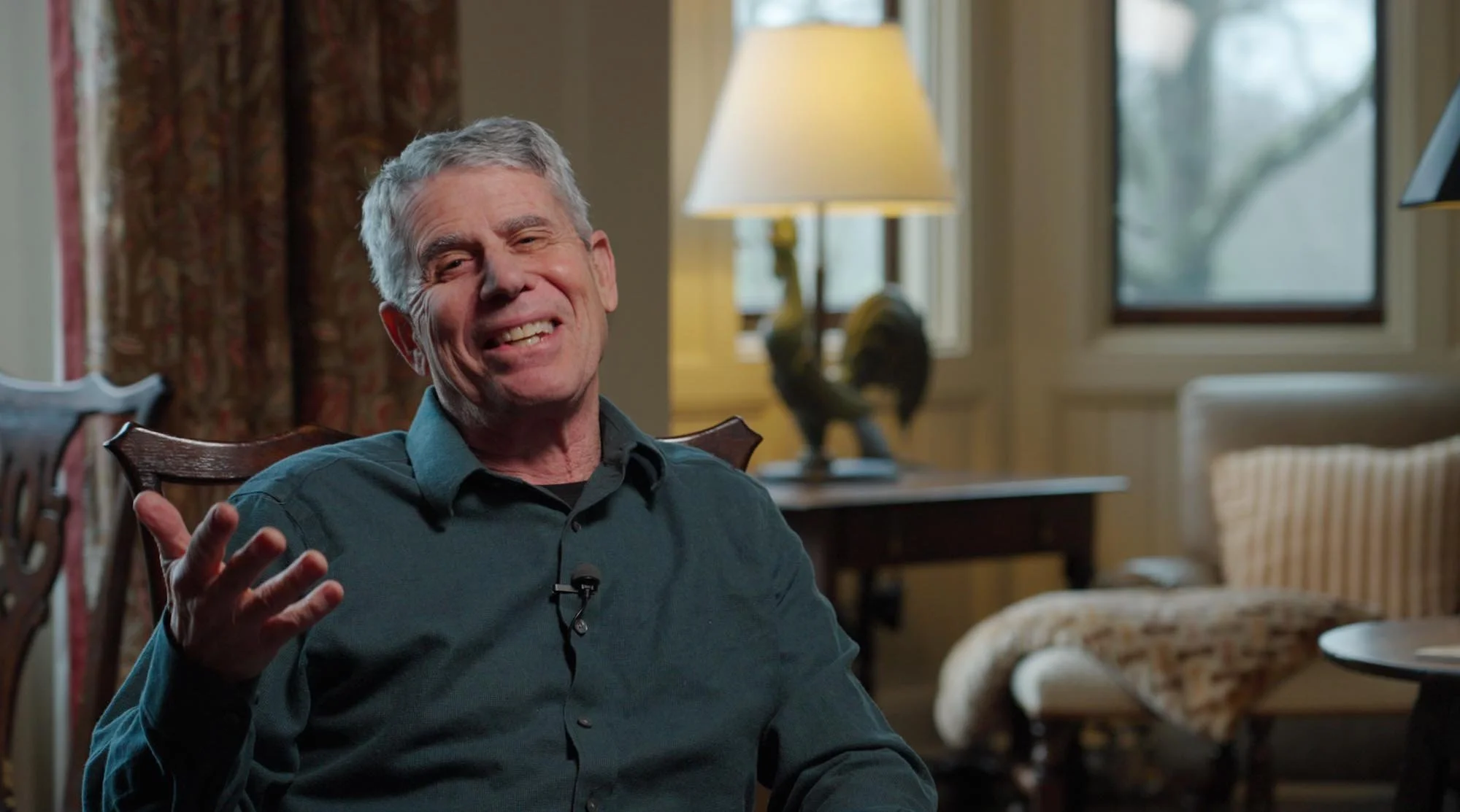
Kenneth Kaplan has spent his life helping young people discover their potential. A recently semi-retired special education teacher, Ken taught for many years in New York City public schools and later at Byram Hills High School in Armonk, New York. Throughout his career, he focused not only on academic learning, but on giving students tools to think critically, build confidence, and see new possibilities for themselves.
Ken’s dedication to education extends beyond the classroom through his chess mentorship. As a member of New York City’s historic Marshall Chess Club, he champions chess as a vehicle for developing strategic thinking, self- discipline, and emotional fortitude. His collaboration with the non-profit Crossing Thresholds and The Gift of Chess organization has enabled him to introduce chess—complete with equipment— to students in disadvantaged areas, culminating in the establishment of Kenya’s Kibera Knights Chess Club.

Part 2: Carter Via
“One person’s commitment can inspire another, and how relationships ripple outward across continents.”
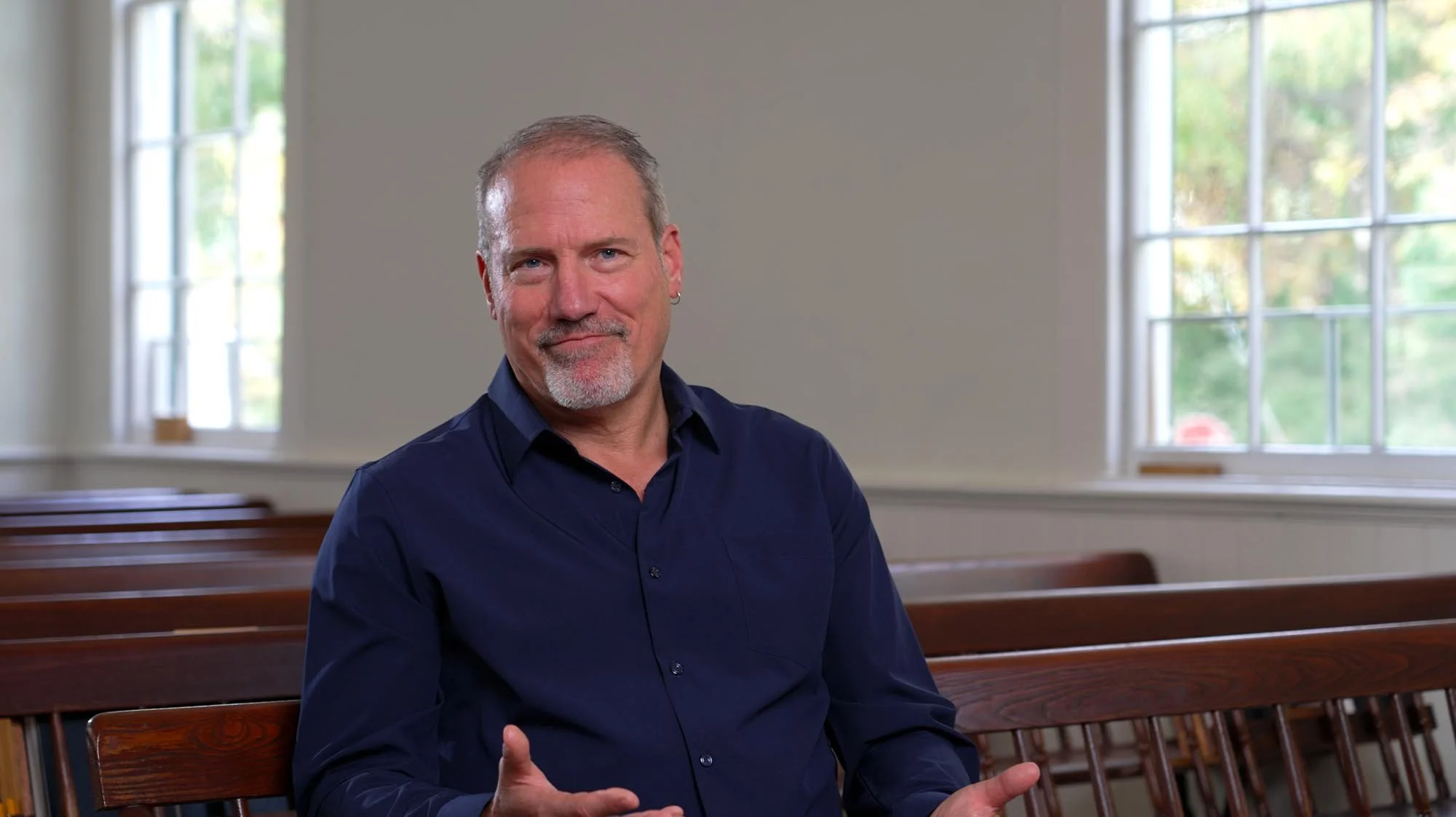

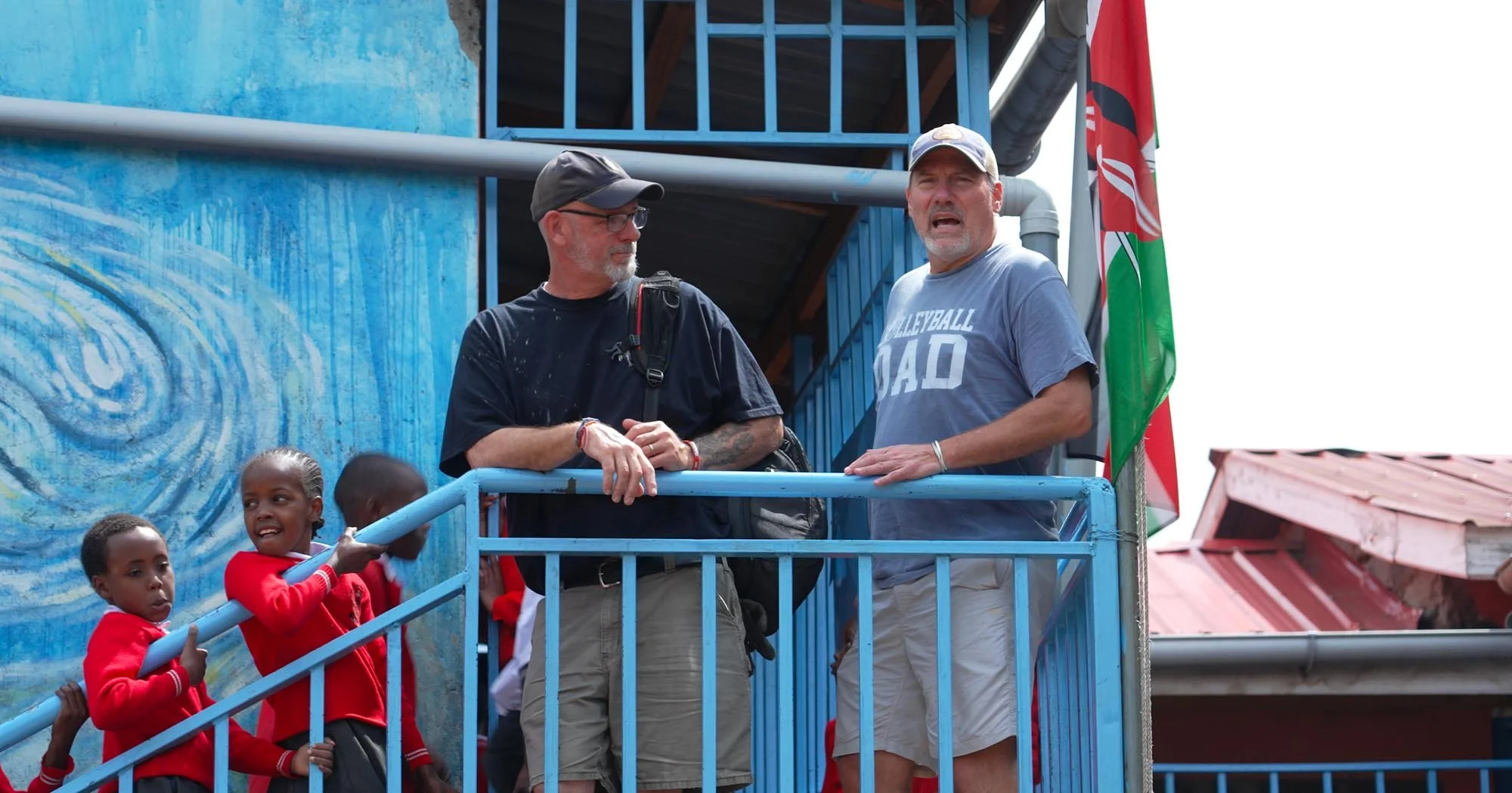
Carter Via is an ordained minister whose life has been defined by turning faith into action. After leading congregations in New York and Connecticut, he founded Bridges to Community, connecting Americans with rural communities in Nicaragua through immersive service that transformed both those who gave and those who received. His work later expanded globally through Crossing Thresholds, inspired in part by his friendship with Wangari Maathai, where he helped bring education and opportunity to children in Nairobi’s Kibera slum.
At the heart of his story—and this film—is the idea that philanthropy is not a one-way act, but a ripple effect. Carter’s journey shows how relationships, trust, and shared humanity create a cycle of impact that continues to grow, inspiring others to recognize that we are all, at our core, philanthropists.
Isabel Omondi
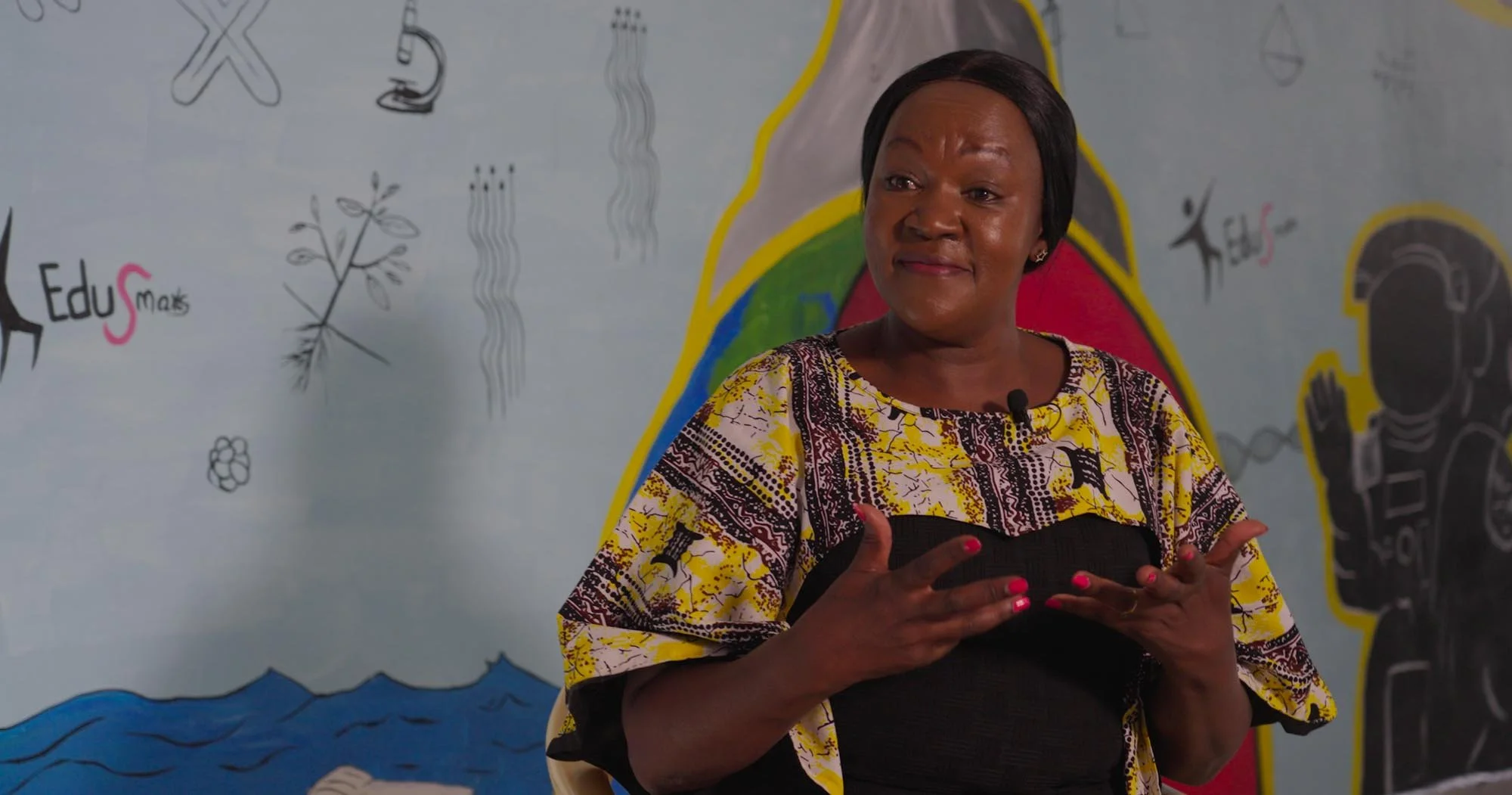
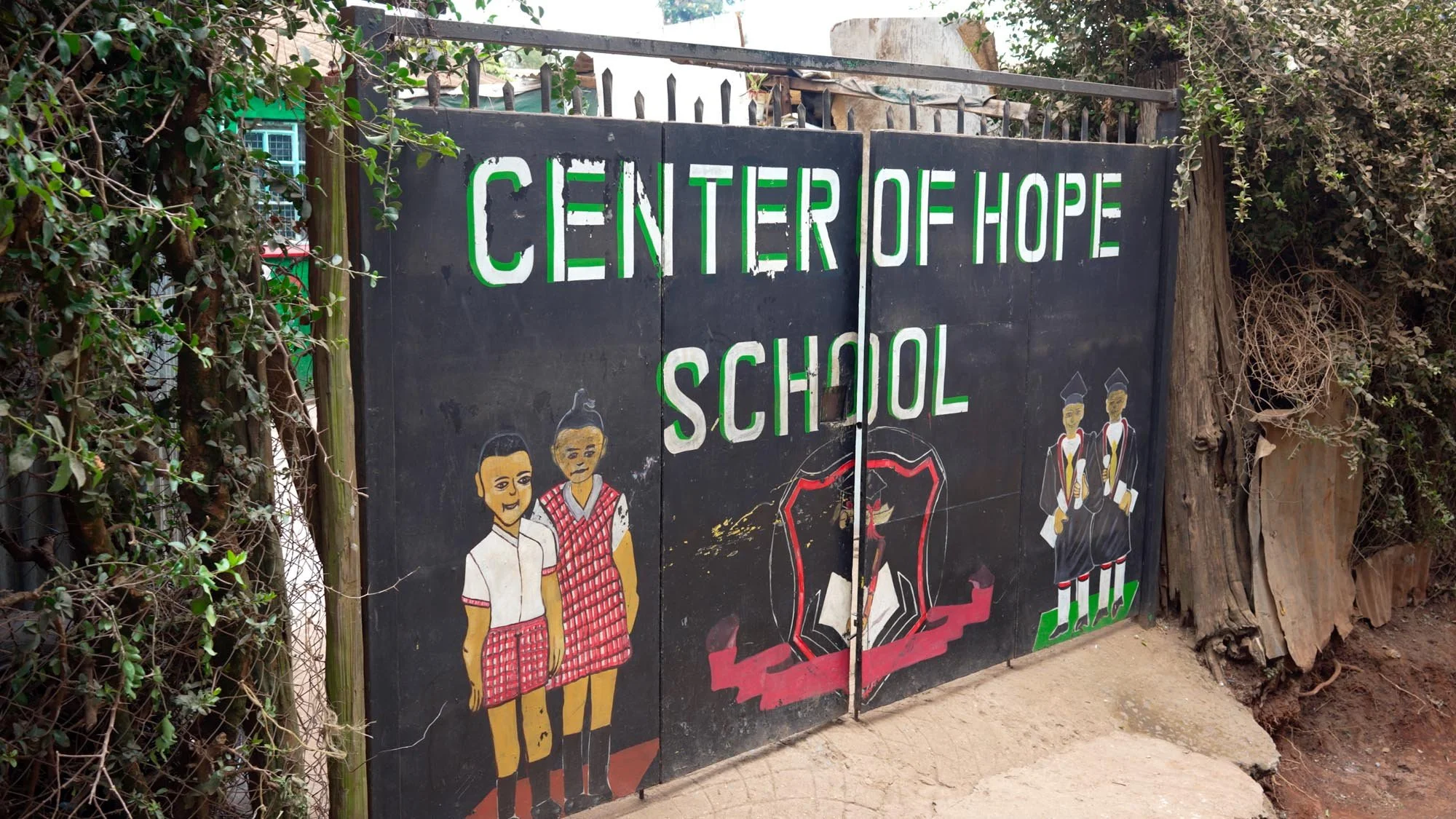
Isabel Sadya Omondi founded and directs the Center of Hope School in Kibera Slum. A mother with degrees in Education and Counseling Psychology, she participated in the International Visitors Leadership Program in 2015, gaining valuable NGO management experience.
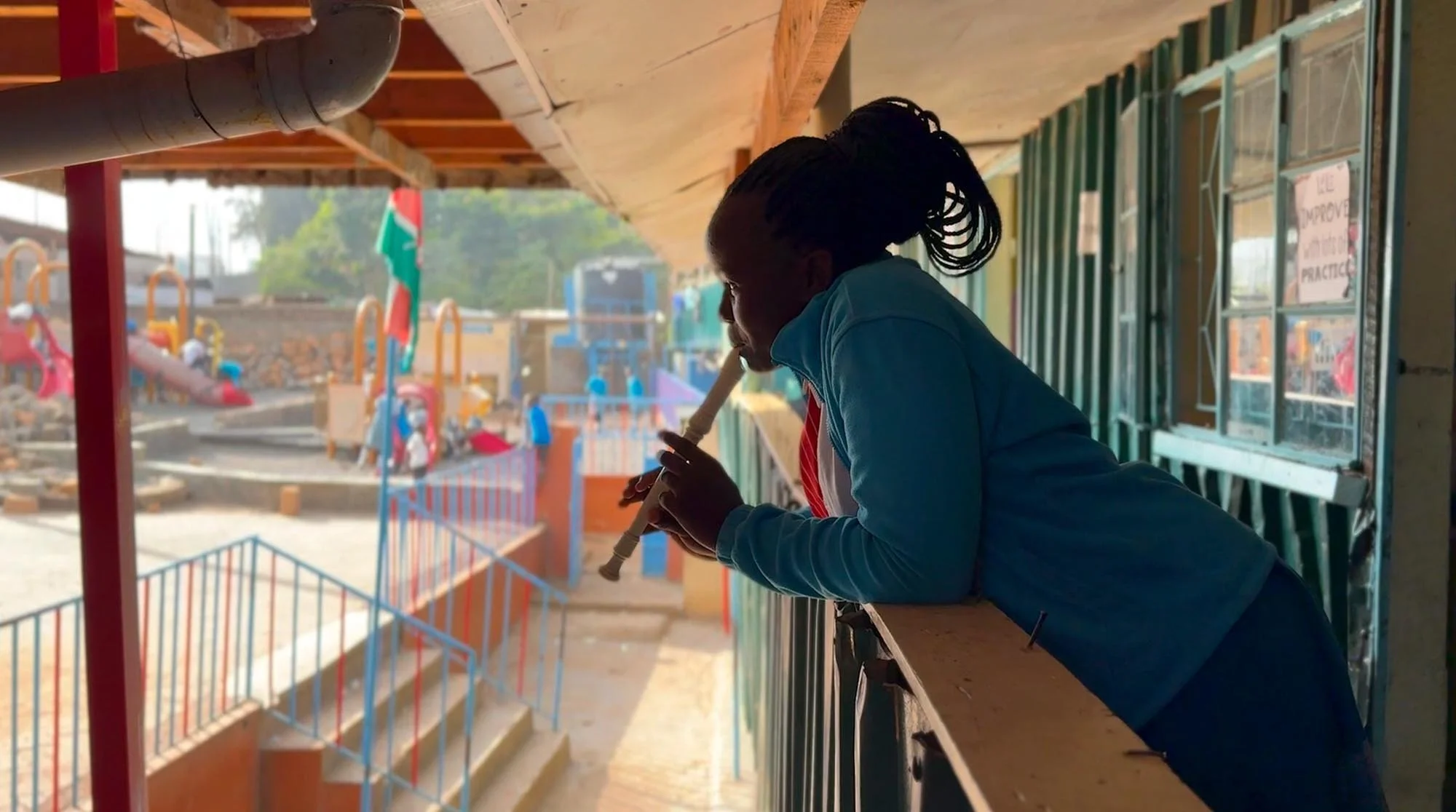
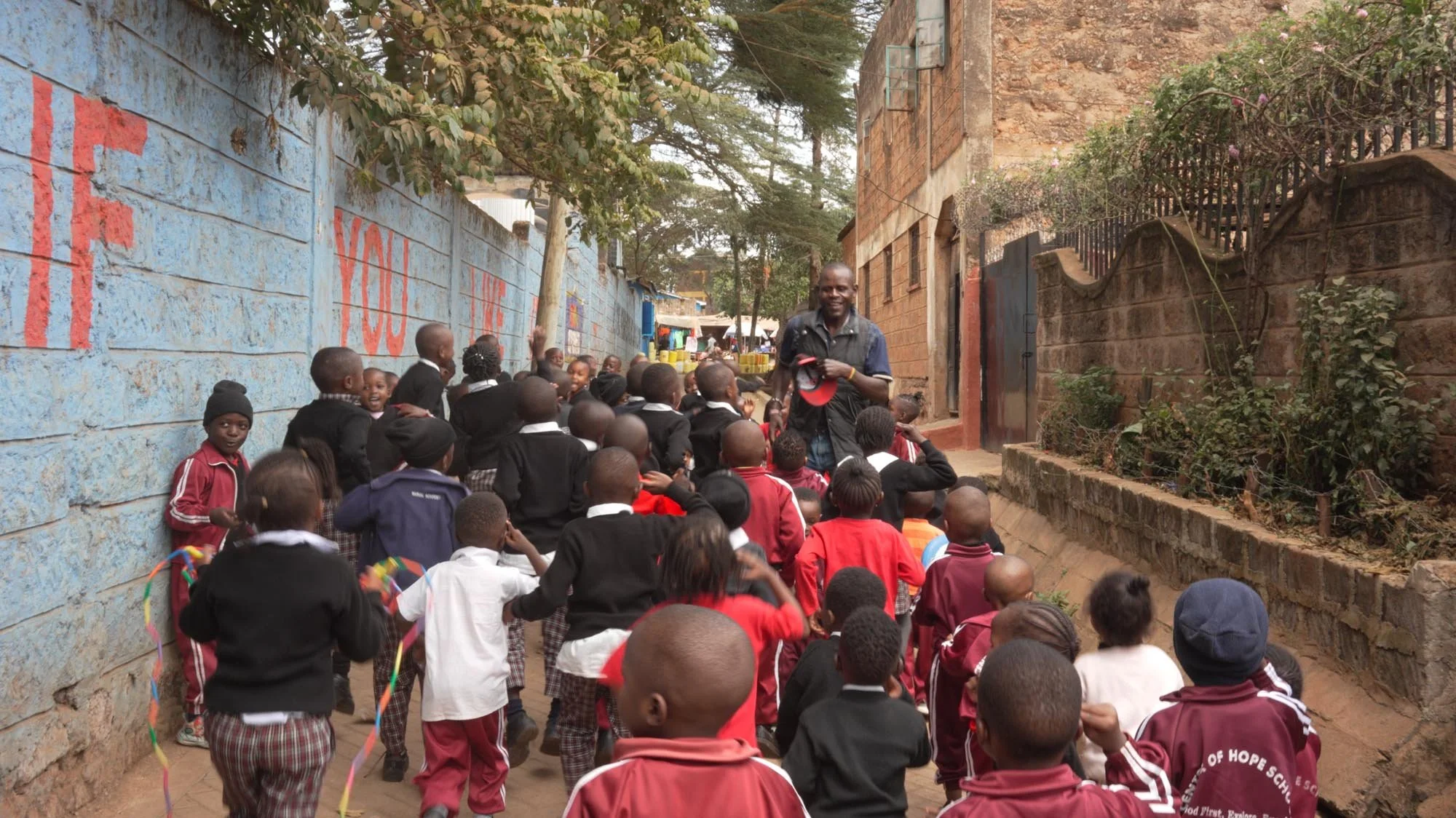
Established in 2014, Center of Hope provides education from playgroup to grade 8 in a faith-driven environment. The school emphasizes academics, character development, and extracurricular activities while working with the community to break poverty cycles through education. Through partnership with Crossing Thresholds, approximately 200 pupils receive quality education focused on mindset transformation and interactive learning, giving them genuine opportunities to realize their potential.
Center of Hope School
Part 3:Franco Odhiambo
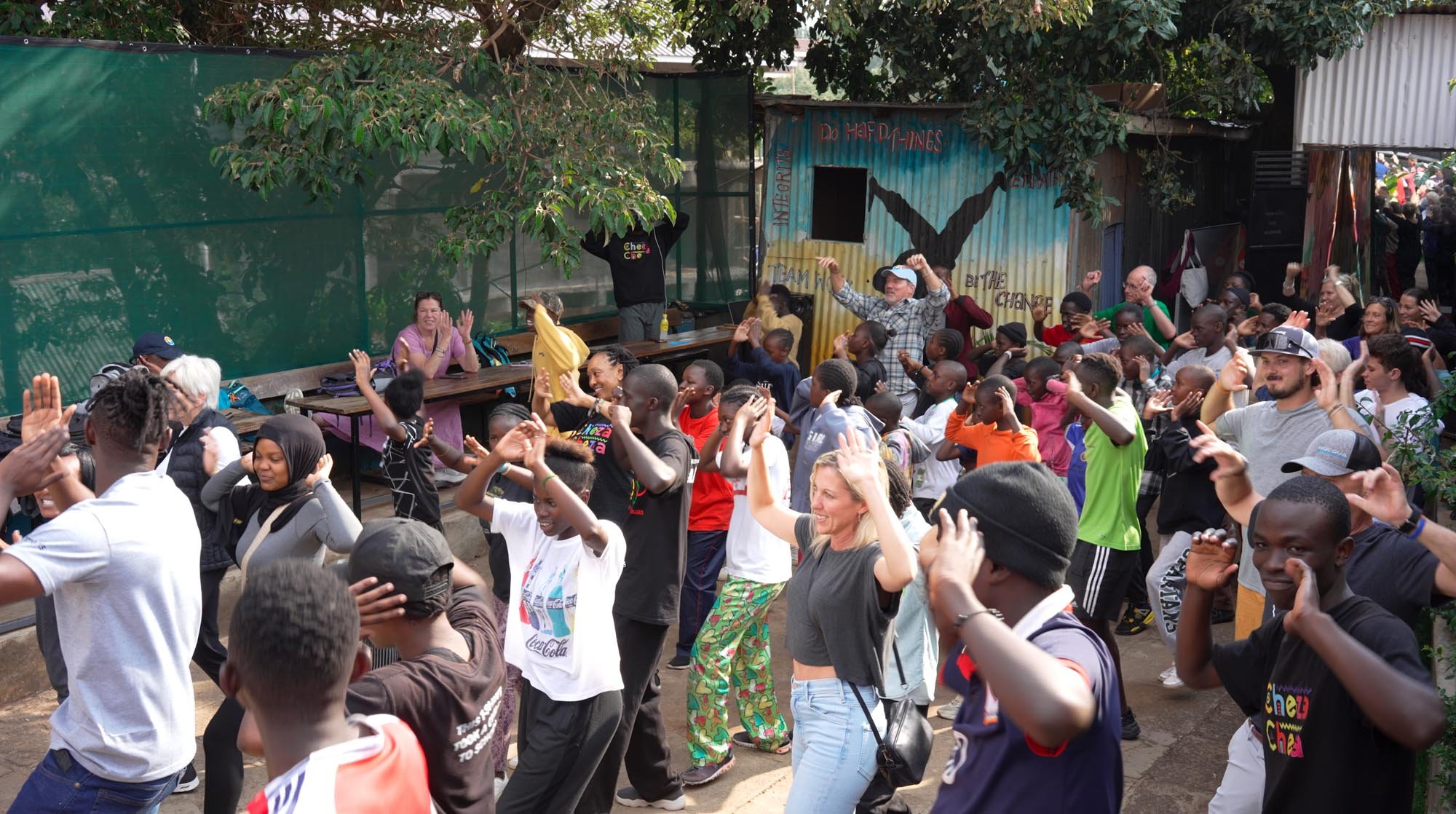
“Create access to safe spaces where dance educates, heals and empowers children in marginalized communities.”
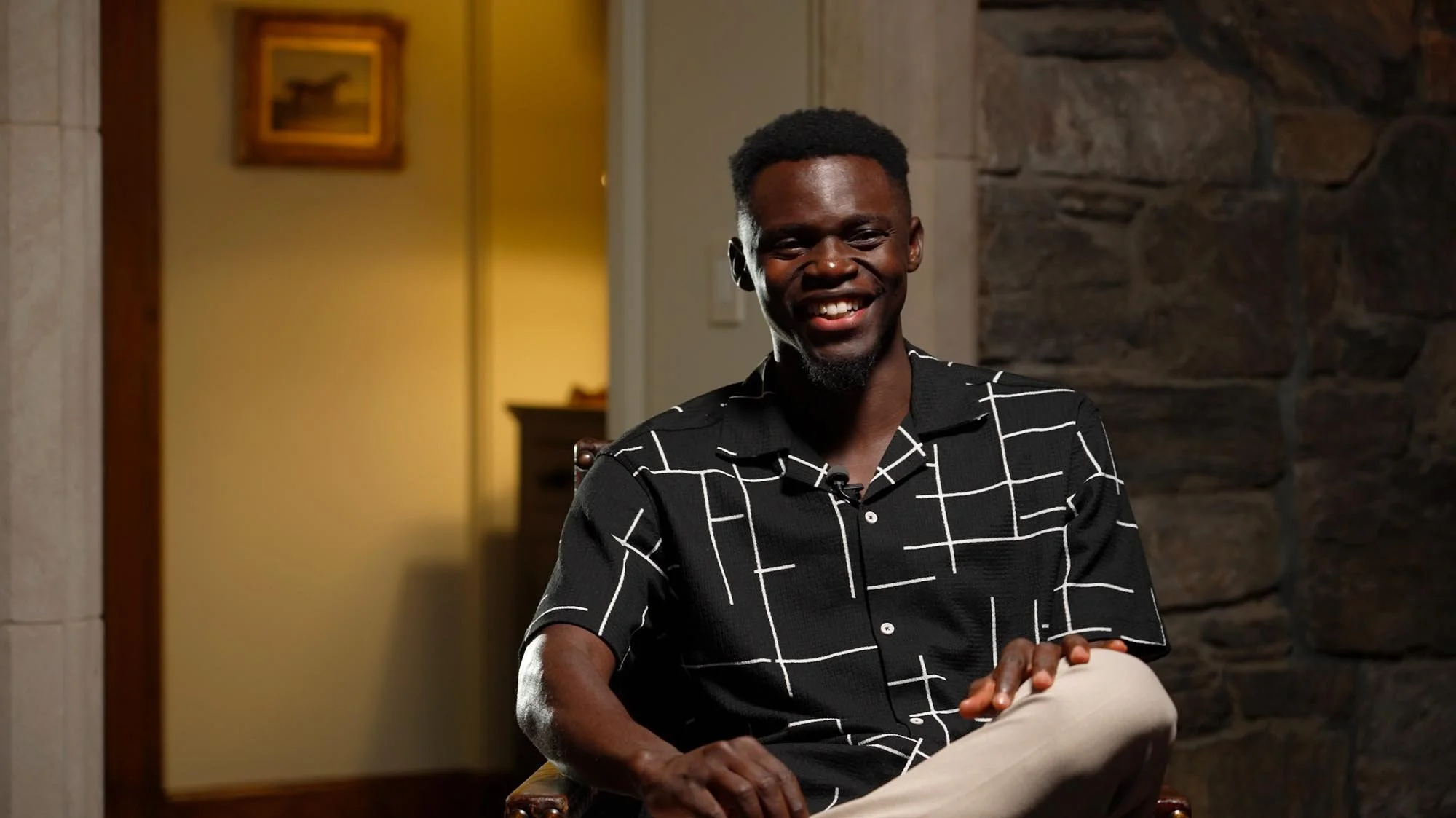
Franco Odhiambo, a charismatic figure with an infectious smile, has transformed thousands of children's lives in Kenya's urban slums. Franco’s journey from the Kibera slum of Nairobi to becoming a community leader is a story of resilience shaped by purpose. Forced from his home at just 14, Franco faced immense hardship, but discovered dance as both an outlet and a path forward. What began as personal expression soon became a mission to uplift others facing similar challenges.
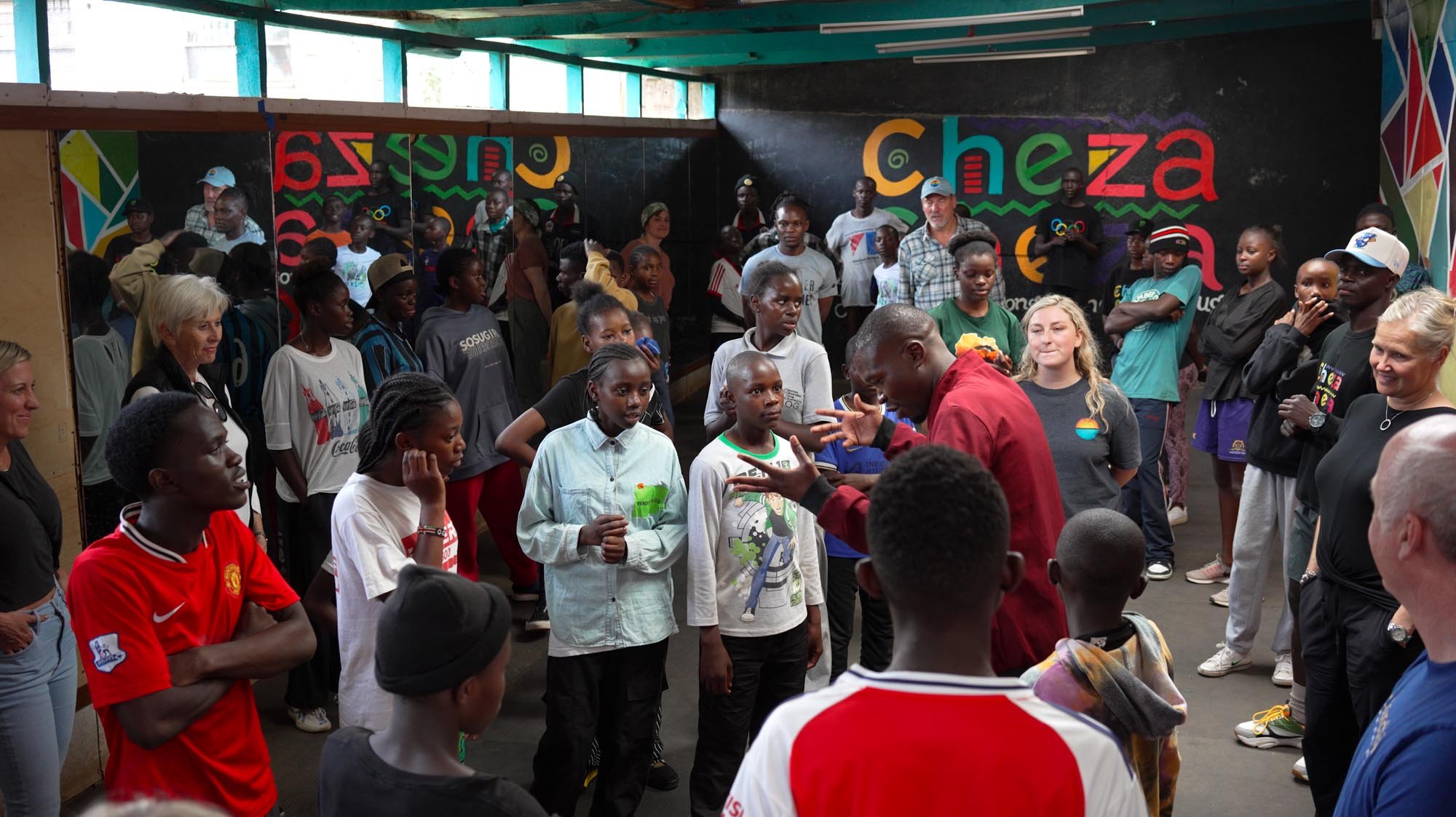
Rising from Kibera's streets to international acclaim, he's earned the Kenyan Youth Service Award and Global Changemaker Prize. As a Global Youth Ambassador for Education, Franco brings passion to conferences worldwide. ChezaCheza ("Play Dance" in Swahili) turns school halls and a sunlit courtyard into sanctuaries of drums, dance, and laughter following choreography designed to process trauma and build resilience.
His work reflects the spirit of One of a Kindness: the idea that hands-on philanthropy is deeply human, cyclical, and transformative for both giver and receiver.
Part 4: Nina Stern
“We envision a world in which all people have access to the transformative experience of making music together.”
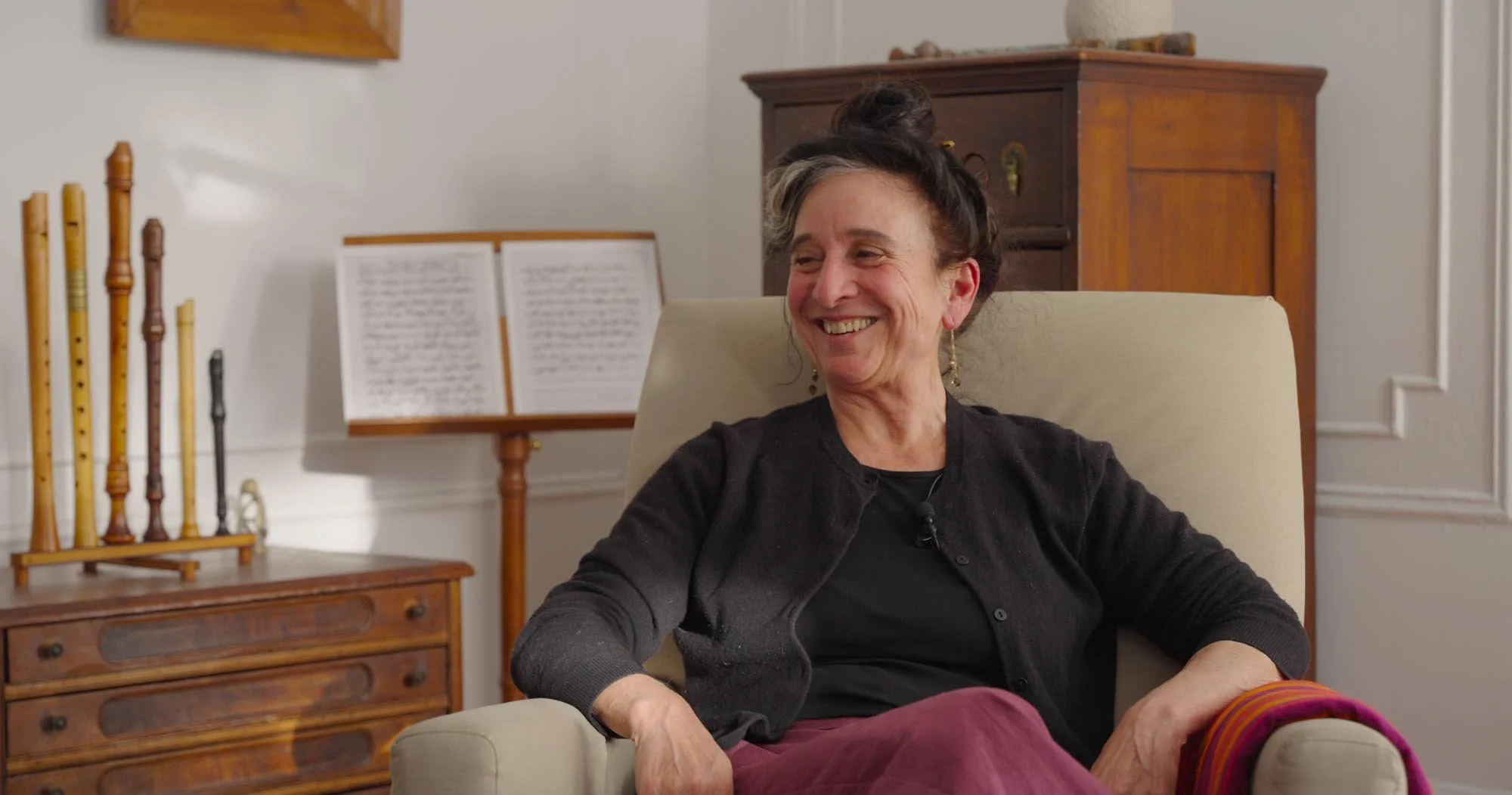
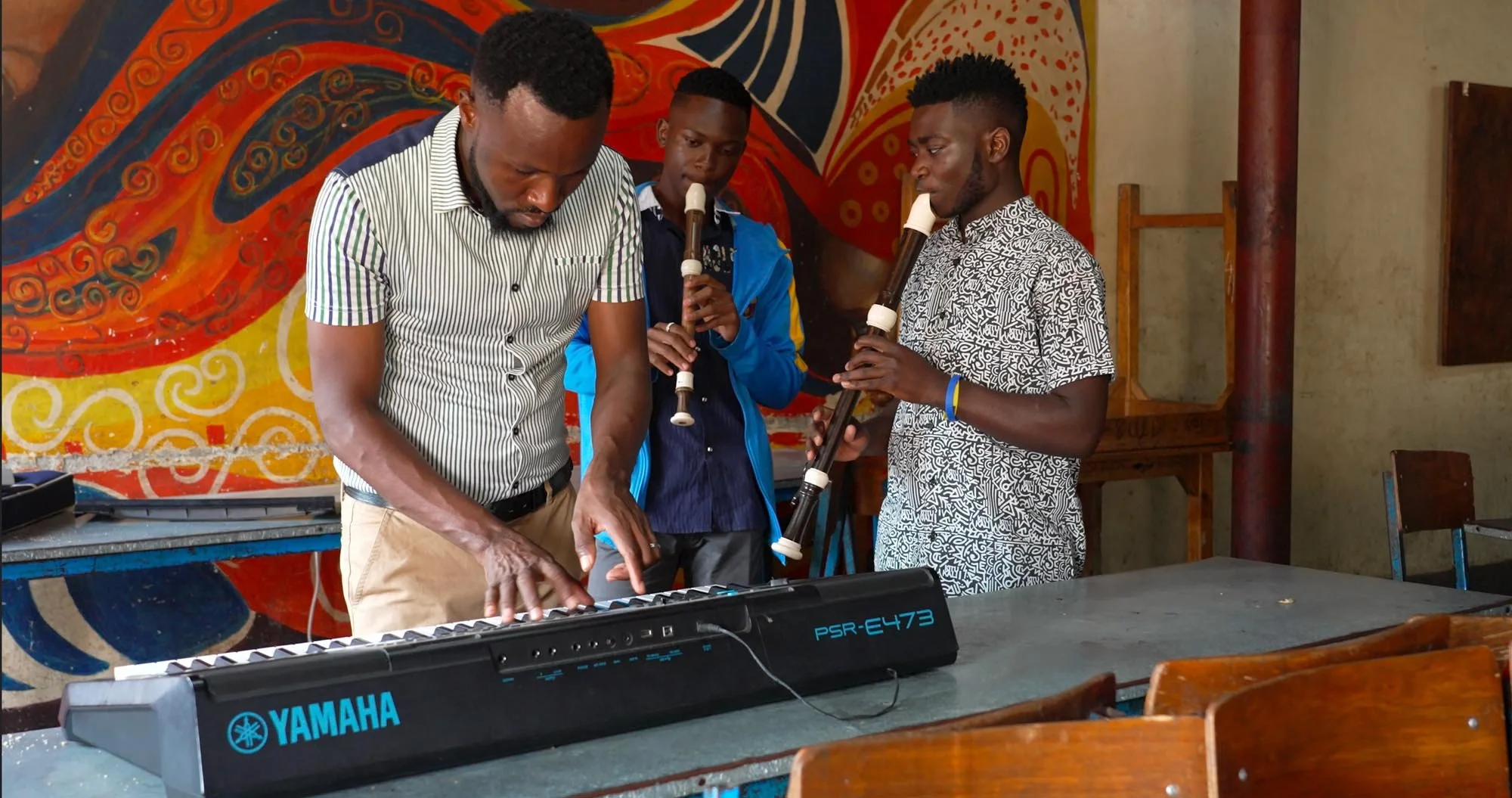
Nina Stern, a Juilliard Historical Performance faculty member since 2012, has performed with prestigious orchestras including the New York Philharmonic and Orchestra della Scala. Her recordings appear on major classical labels, and she co-directs East of the River, performing traditional Eastern European and Middle Eastern music. Director of Community Engagement for the Boston Early Music Festival, Stern has dedicated herself to music education. Her teaching career spans Mannes College, Milan' s Civica Scuola di Musica, Oberlin Conservatory, and the Five Colleges in Massachusetts. Stern holds a soloist degree from Switzerland's Schola Cantorum Basiliensis.
In 2002, Stern channeled her passion for musical accessibility into founding S'Cool Sounds, bringing music education to underserved New York City children. "After years of teaching conservatory students and performing professionally, I became increasingly troubled by how many local children lacked access to musical education," Stern explains. "Learning an instrument develops so much more than musical ability—it builds self-confidence, emotional expression, and creative thinking that benefits children throughout their lives. S'Cool Sounds became my way of extending these transformative experiences to young people who might otherwise never discover their musical potential."